Women’s health is an important part of overall well-being. A woman’s health needs can change throughout different stages of life, so taking care of your body, mind, and daily habits can make a meaningful difference. Good health is not about being perfect. It is about making simple and consistent choices that support your well-being.
Why Women’s Health Matters
Women may have different health and nutrition needs at different stages of life. Factors such as age, lifestyle, pregnancy, breastfeeding, menopause, family history, and activity level can all affect health needs.
A healthy lifestyle can include nutritious food, regular physical activity, enough sleep, stress management, and regular preventive healthcare. These habits can support long-term health and may help reduce the risk of several chronic diseases.
Healthy Eating for Women
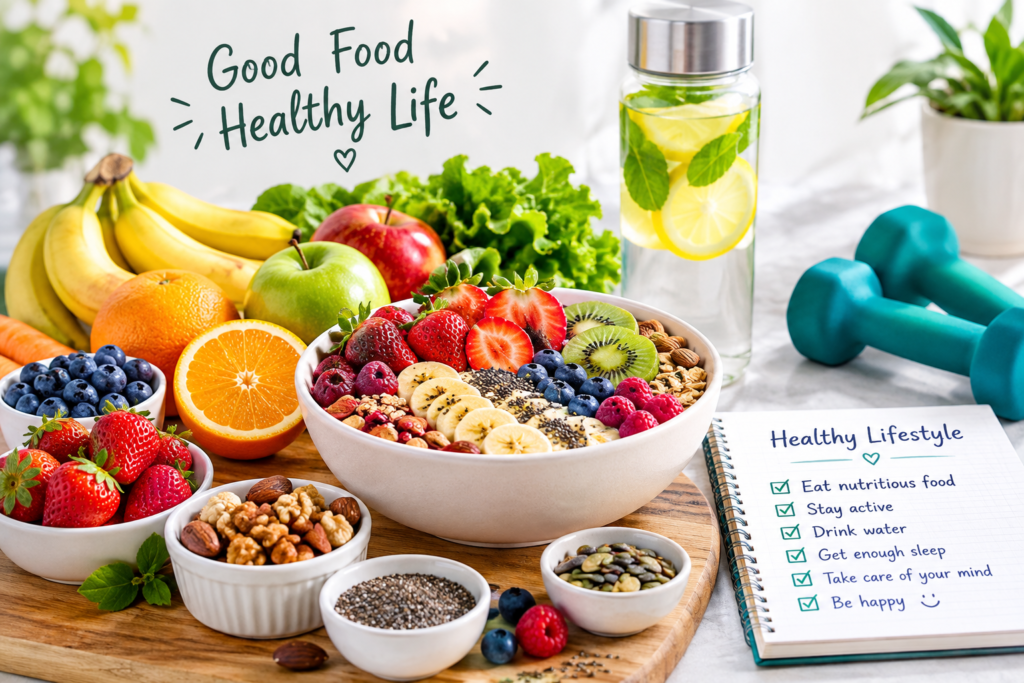
A balanced diet is one of the foundations of good women’s health. Instead of focusing on one specific food, try to include a variety of foods in your meals.
A healthy eating pattern can include:
- Fruits and vegetables
- Whole grains
- Beans and other legumes
- Eggs, fish, meat, or other protein foods
- Milk, yogurt, or suitable alternatives
- Nuts and seeds
Different foods provide different nutrients, so variety is important. The Office on Women’s Health notes that nutrients such as calcium, iron, and folic acid can be particularly important for women,
Balanced Diet | Health & Biology (youtube.com)
Aap apne Women’s Health article mein video ko “Healthy Eating” ya “Healthy Diet” heading ke neeche rakh sakti hain.
The Importance of Protein
Protein is an important nutrient because the body uses it for many functions, including maintaining and repairing tissues. Protein can come from everyday foods such as eggs, dairy products, beans, lentils, fish, chicken, nuts, and seeds.
Protein powders can also be convenient for some people, but they are supplements rather than a replacement for a balanced diet. Most essential nutrients should come from a variety of foods whenever possible.
Stay Physically Active
Regular physical activity is another important part of women’s health. You do not need to start with an intense workout. Walking, cycling, dancing, swimming, stretching, or other activities you enjoy can be useful ways to stay active.
For adults, general physical activity guidance recommends at least 150 minutes of moderate-intensity aerobic activity each week, along with muscle-strengthening activities on two or more days. However, individual needs can vary, and any activity is generally better than none.
The goal should be to support your health and strength rather than comparing your body with someone else’s.
Sleep and Women’s Health
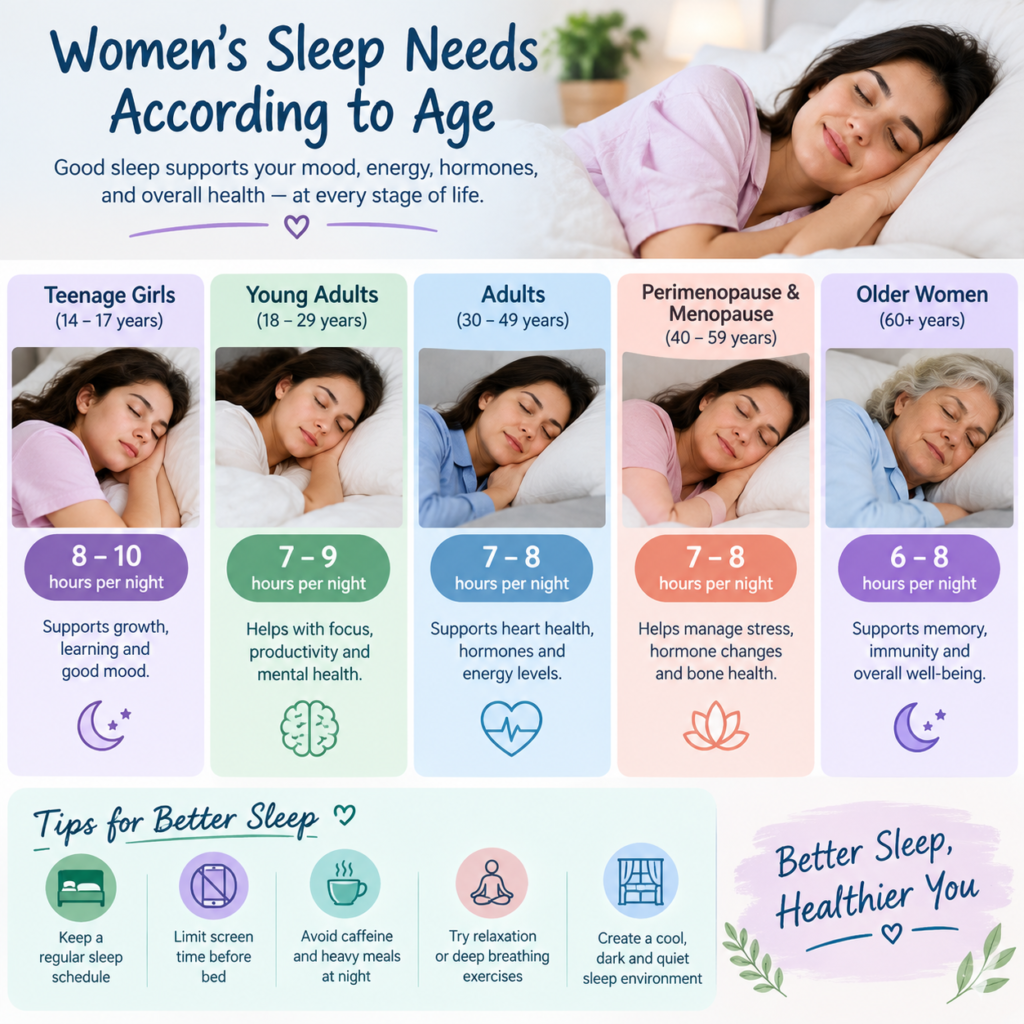
Good sleep is often overlooked, but it plays an important role in overall health. Poor sleep can affect energy, concentration, mood, and daily functioning.
A simple sleep routine may help. Try to keep a regular sleep and wake time, reduce screen use before bed, and create a comfortable environment for sleeping. If you regularly have difficulty sleeping, talking with a healthcare professional can be helpful.
Mental and Emotional Well-Being
Women’s health is not only about physical health. Mental and emotional well-being are also important.
Everyday responsibilities, school, work, relationships, and other life changes can sometimes feel stressful. Making time for rest, enjoyable activities, supportive relationships, and healthy routines can help you look after your overall well-being.
If stress, sadness, anxiety, or another concern starts affecting daily life, it is a good idea to talk with a trusted adult or qualified healthcare professional.
Preventive Care Is Important
Taking care of your health also means paying attention to preventive care. Regular healthcare visits and age-appropriate screenings can help identify some health concerns early.
The type and timing of screenings can vary depending on age, family history, personal health, and other factors. For this reason, it is best to discuss your individual needs with a healthcare professional.
Women’s Health at Different Stages of Life
Women’s health needs can change over time. During adolescence and young adulthood, building healthy habits can create a strong foundation for the future. During the reproductive years, nutrition and preventive care remain important. Later in life, maintaining strength, mobility, bone health, and regular healthcare becomes increasingly important.
There is no single health routine that works for every woman. Your needs can be different from someone else’s, and they can change as your life changes.
Simple Women’s Health Tips
Here are some practical habits that can support better overall health:
- Eat a variety of nutritious foods.
- Include protein in balanced meals.
- Stay physically active in ways you enjoy.
- Make sleep a regular priority.
- Drink enough fluids throughout the day.
- Make time for relaxation and activities you enjoy.
- Pay attention to changes in your health.
- Keep up with recommended healthcare visits and screenings.
- Ask a healthcare professional when you have concerns about your health.
Final Verdict
Women’s health is about much more than one diet, one workout, or one supplement. A balanced approach that includes nutritious food, regular movement, good sleep, emotional well-being, and preventive care can help support health throughout life.
Most importantly, there is no need to aim for perfection. Small, realistic habits can become part of a healthy lifestyle over time. If you have specific health concerns or changing nutritional needs, a qualified healthcare professional can give advice based on your individual situation. (youtube.com)